Paul Dalba
Morning Star Missions to Venus
6mo ago
13 min
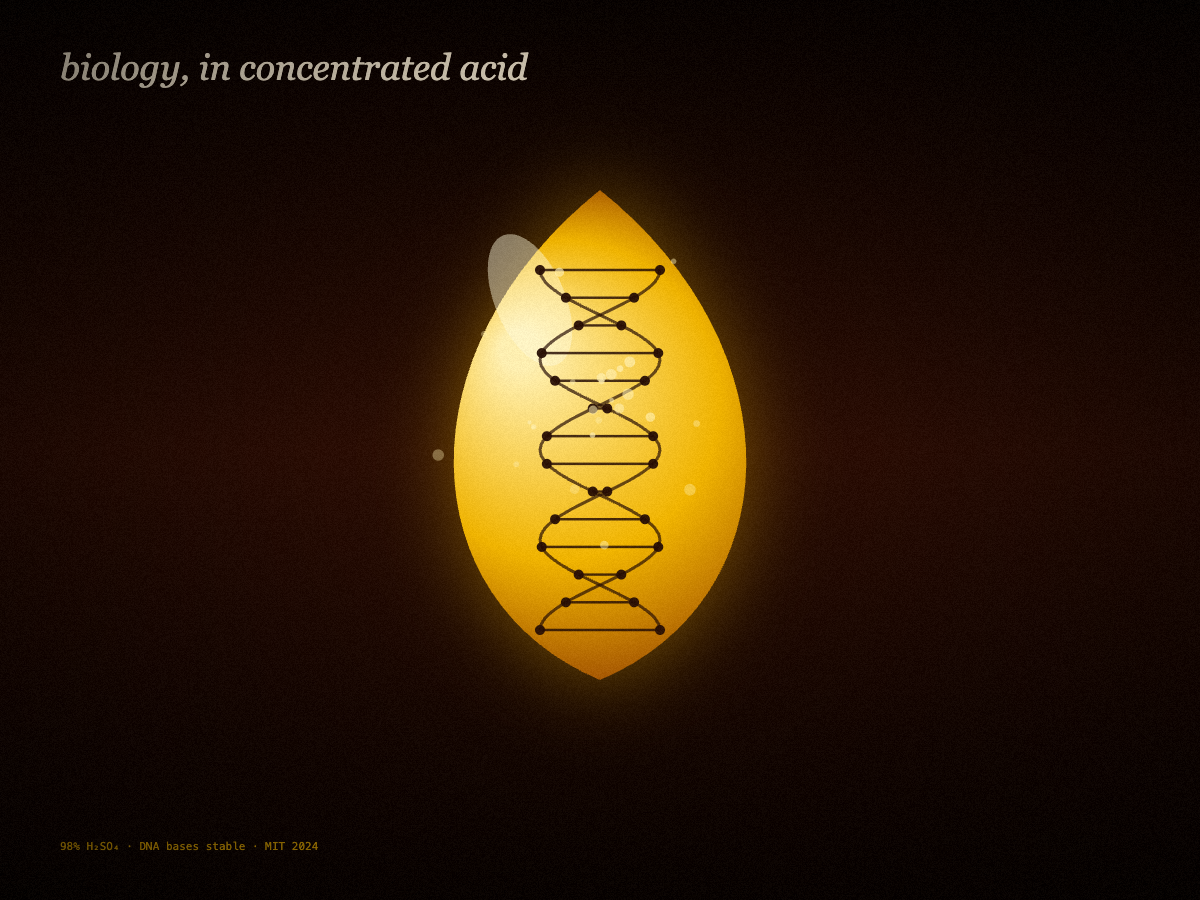
S3E1: Molecules That Shouldn't Survive
The conventional wisdom in astrobiology was clear: concentrated sulfuric acid destroys most organic molecules so quickly that the chemistry needed for life simply cannot exist in the clouds of Venus. Then a team at MIT put that assumption to a direct test, dissolving the nucleic acid bases of DNA and RNA into the same concentrated acid found in Venusian cloud droplets — and waiting. What happened, or more precisely what didn't happen, forced a rethink of what "habitable" can mean. This episode walks through that experiment, what it found, and why a result that looks like nothing at all turns out to be one of the most consequential findings in Venus astrobiology.
Paul Dalba
Morning Star Missions to Venus
7mo ago
11 min
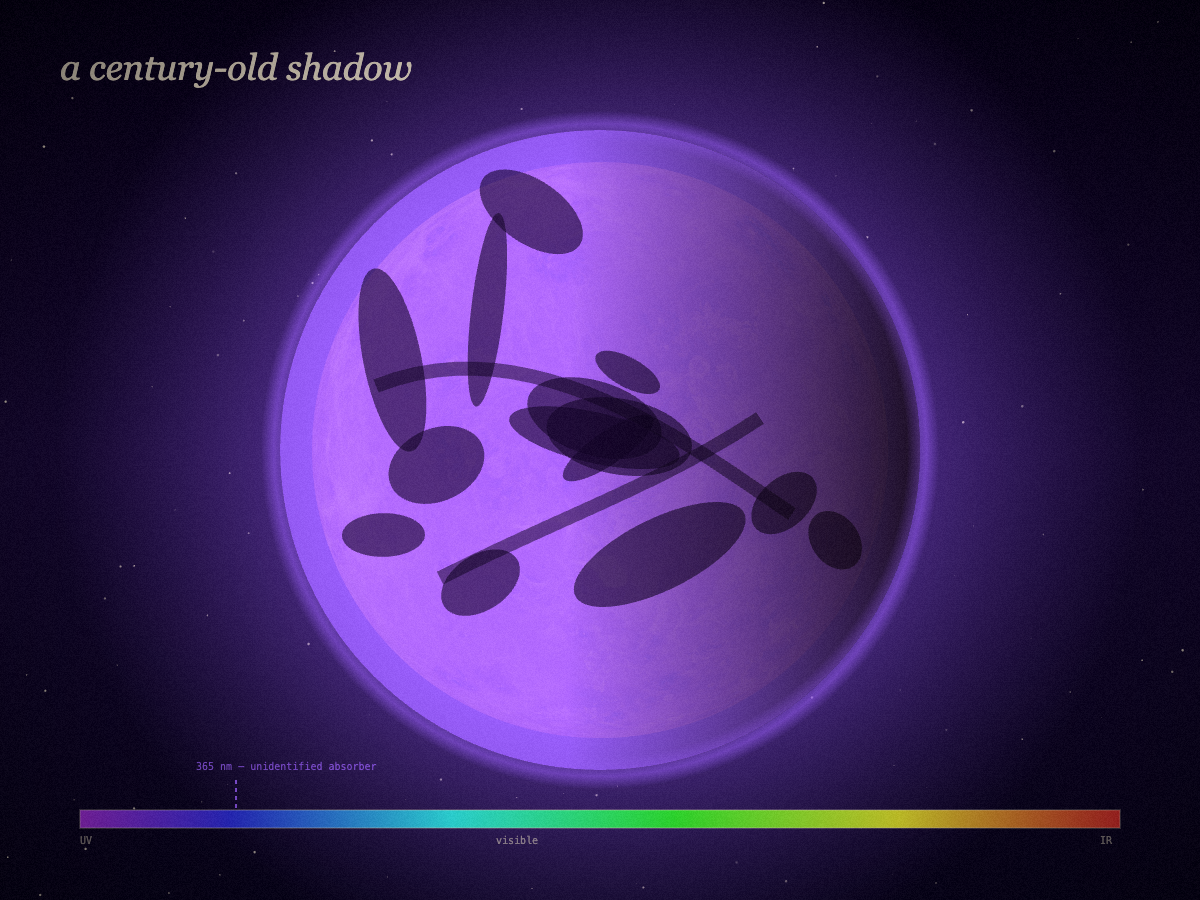
S2E3: The Ammonia Connection and Mode 3
In 1972, a Soviet spacecraft detected ammonia in the clouds of Venus at concentrations so high they couldn't be explained by any known chemistry. The scientific community dismissed it within two years, and the finding sat untouched for half a century. Then a team of researchers built a model showing that ammonia isn't just present in those clouds — it may be actively remaking the chemistry of the entire cloud layer, neutralizing the acid, altering the particle composition, and explaining a set of unrelated atmospheric mysteries all at once. This episode lays out that model, introduces the strange large cloud particles known as Mode 3, and asks a question that becomes harder to dismiss the more you look at it: what could possibly be producing that much ammonia on a planet with no obvious source?
Paul Dalba
Morning Star Missions to Venus
8mo ago
13 min
S1E5: The Acid Challenge
The cloud layer of Venus has Earth-like temperatures and pressures, sunlight, and chemical nutrients — but it has one enormous problem that life as we know it cannot simply ignore. The clouds are made of concentrated sulfuric acid, and not the dilute variety familiar from a chemistry classroom. This episode digs into what that actually means chemically, why the acidity scale most people know breaks down entirely at these concentrations, and why even Earth's most extreme acid-loving organisms offer no real analogy. The science here is genuinely unsettling, and yet researchers have found something equally surprising in the lab: not everything is destroyed. And what survives in those conditions opens up one of the stranger questions in modern astrobiology.
You're all caught up.