
Rakiura Lab
Project Starshade
19d ago
25 min
S1E2: The Physics of a Better Shadow
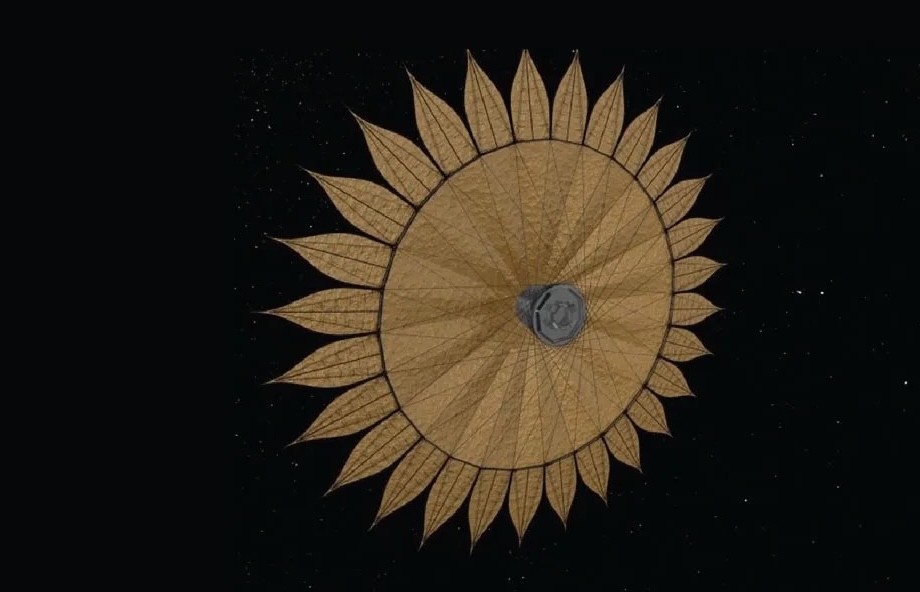
Take a perfectly round disk, hold it up to a beam of light, and look at the very center of its shadow. There's a bright spot sitting there, in the one place that should have been the darkest of all. It's a piece of physics more than two centuries old, and it's the reason you cannot hide a star behind a simple screen: the starlight bends around the edge and rebuilds itself right where you wanted to put a planet. So the fix isn't a bigger screen. It's a stranger one, shaped like a flower — and the reason it works leads to a strange realization, that much of the difficulty of photographing another Earth isn't a fixed price the universe charges, but a consequence of where you choose to stand when you block the light.
Rakiura Lab
Project Starshade
19d ago
24 min
S1E1: Ten Billion to One
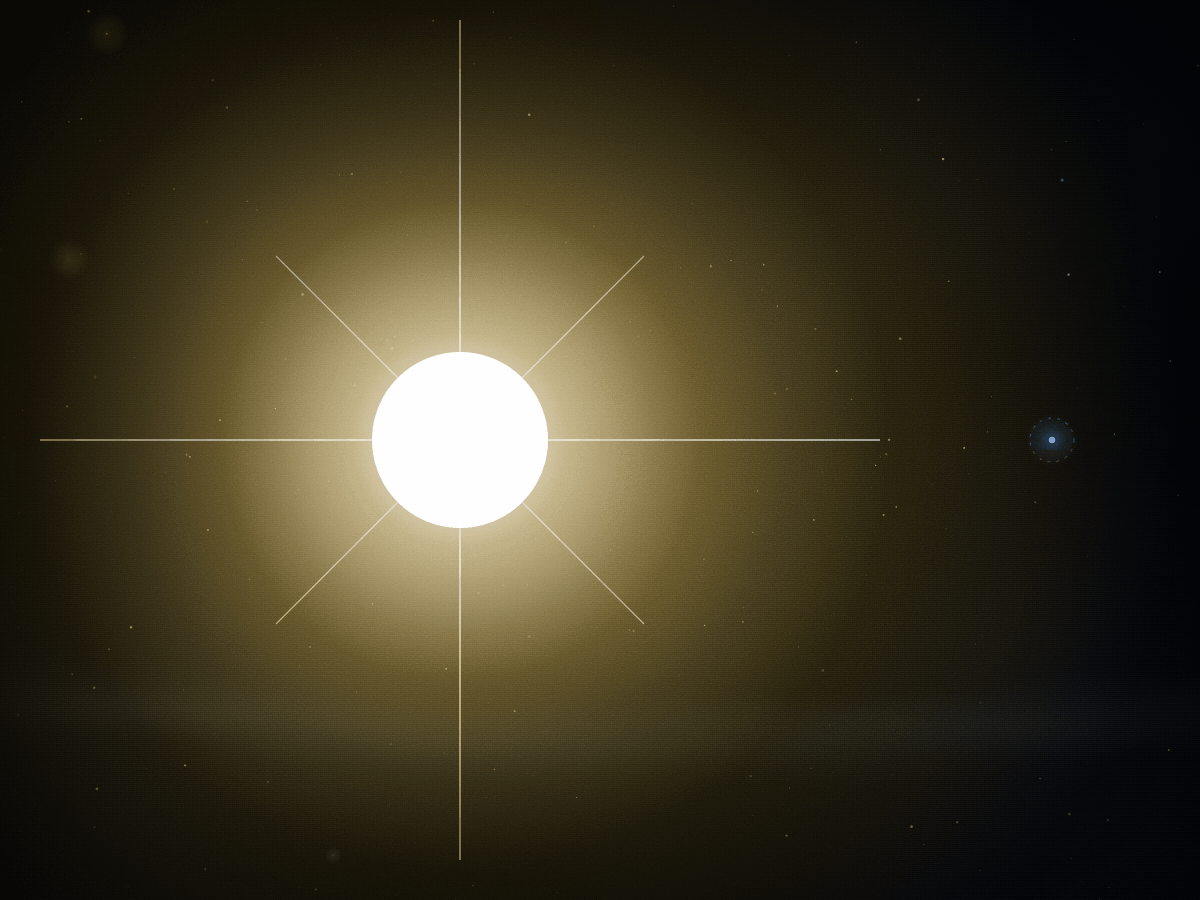
We've found more than six thousand planets around other stars, and almost none of them have we ever actually seen. We know them the way you'd know someone from a fingerprint rather than a face: their masses, their orbits, the length of their years, all inferred from the way a star wobbles or dims. The one picture we want most, a world like Earth around a star like the Sun, close enough to read its air for signs of life, doesn't exist — and not because our telescopes are too small. It comes down to a single ratio, ten billion to one, the glare of a star set against the faint planet beside it. This first episode is about that ratio, and about the fork it forces on everyone who tries to beat it: to block a star's overwhelming light, do you do it inside your telescope, or out in the dark, far in front of it?
You're all caught up.