Rakiura Lab
Project Starshade
19d ago
24 min
S1E1: Ten Billion to One
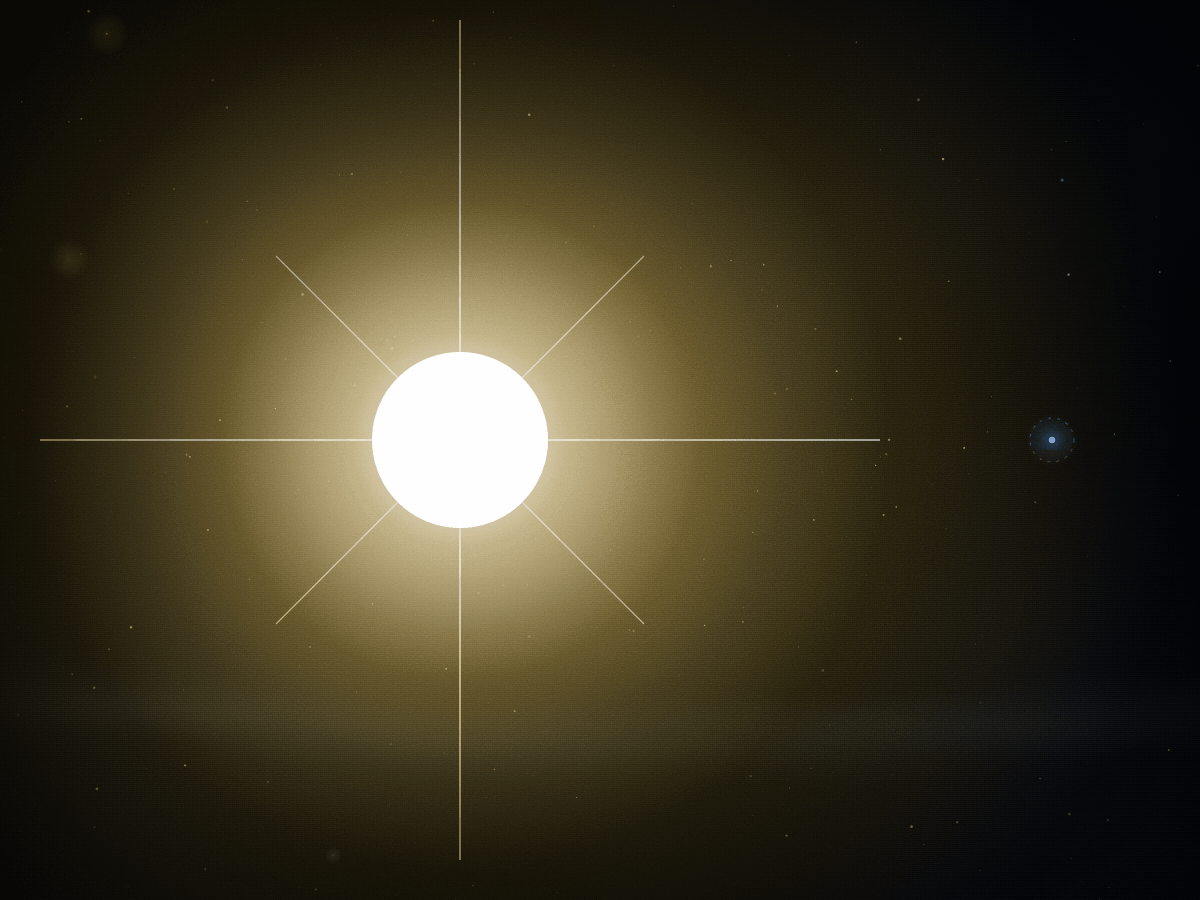
We've found more than six thousand planets around other stars, and almost none of them have we ever actually seen. We know them the way you'd know someone from a fingerprint rather than a face: their masses, their orbits, the length of their years, all inferred from the way a star wobbles or dims. The one picture we want most, a world like Earth around a star like the Sun, close enough to read its air for signs of life, doesn't exist — and not because our telescopes are too small. It comes down to a single ratio, ten billion to one, the glare of a star set against the faint planet beside it. This first episode is about that ratio, and about the fork it forces on everyone who tries to beat it: to block a star's overwhelming light, do you do it inside your telescope, or out in the dark, far in front of it?
Paul Dalba
Morning Star Missions to Venus
7mo ago
15 min
S2E2: Whispers from the Archive
In 1978, a small metal probe plunged through the clouds of Venus and spent just under an hour measuring its atmosphere before going silent forever.
Paul Dalba
Morning Star Missions to Venus
7mo ago
14 min
S2E1: The Phosphine Bombshell
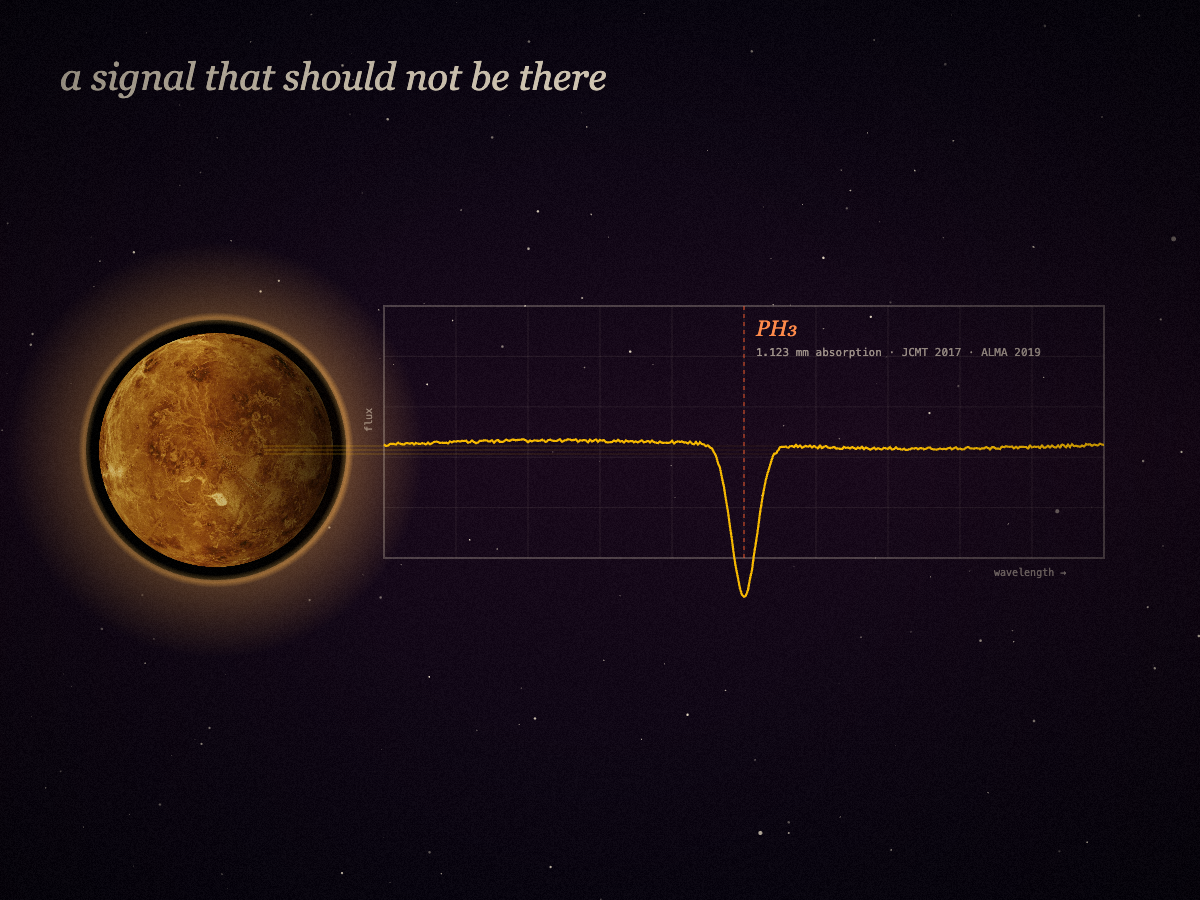
In September 2020, a team of astronomers announced they had detected a gas in Venus's atmosphere that, according to every known chemistry, had no business being there. The announcement triggered one of the most intense and public scientific debates in recent memory, with rival teams dismantling the data, challenging the statistics, and proposing alternative explanations within months of the original publication. This episode takes you inside the full arc of that controversy: the 2017 telescope observation that started it all, the confirmation attempt, the firestorm of criticism, and the methodical, paper-by-paper response from the team that made the claim. The phosphine question on Venus is not yet resolved. But the fight over it has already changed the course of planetary science.
You're all caught up.