Rakiura Lab
Gravitational Wave Paleontology Lab
18 min
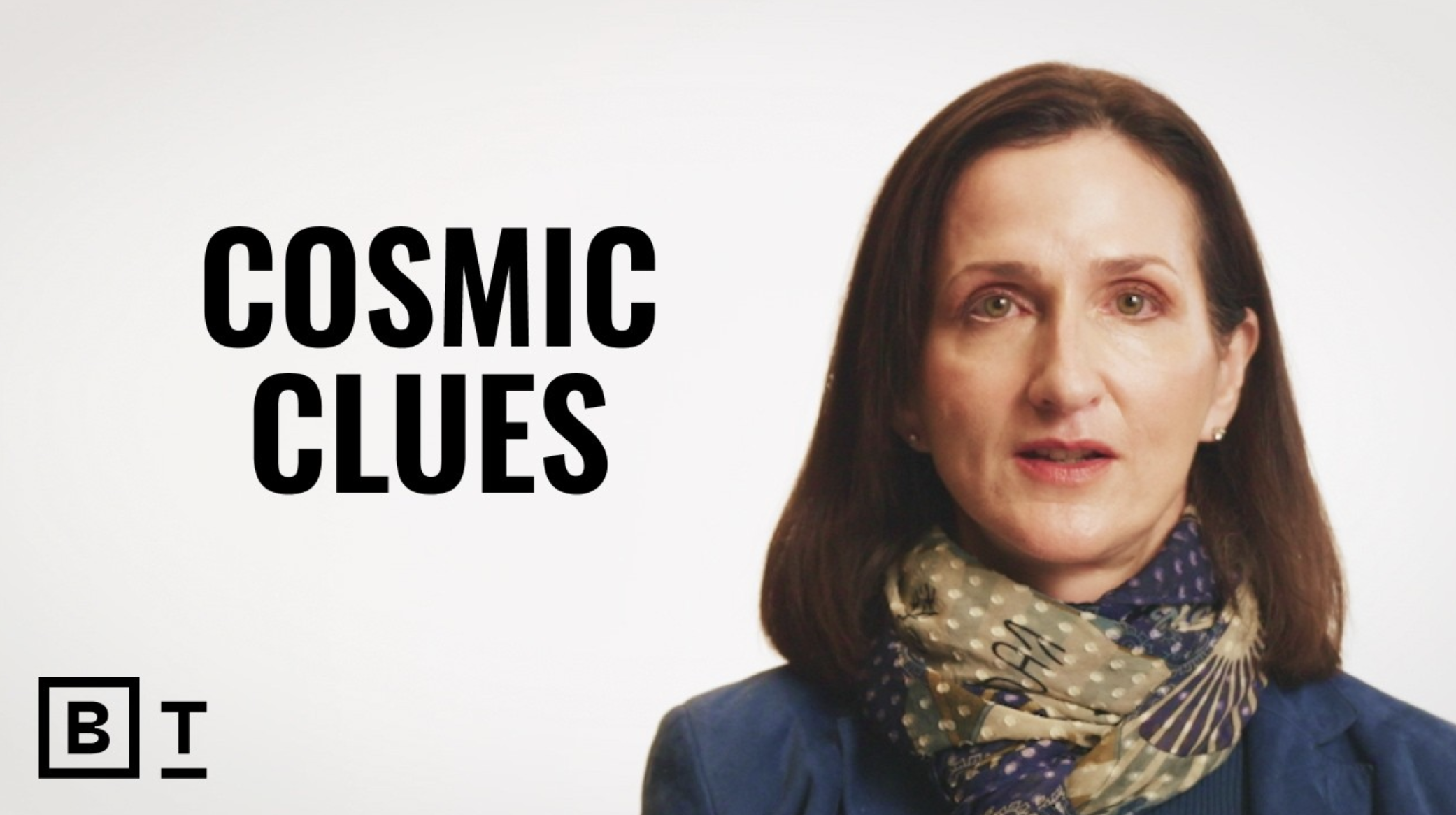
Welcome to Cosmic Fossils
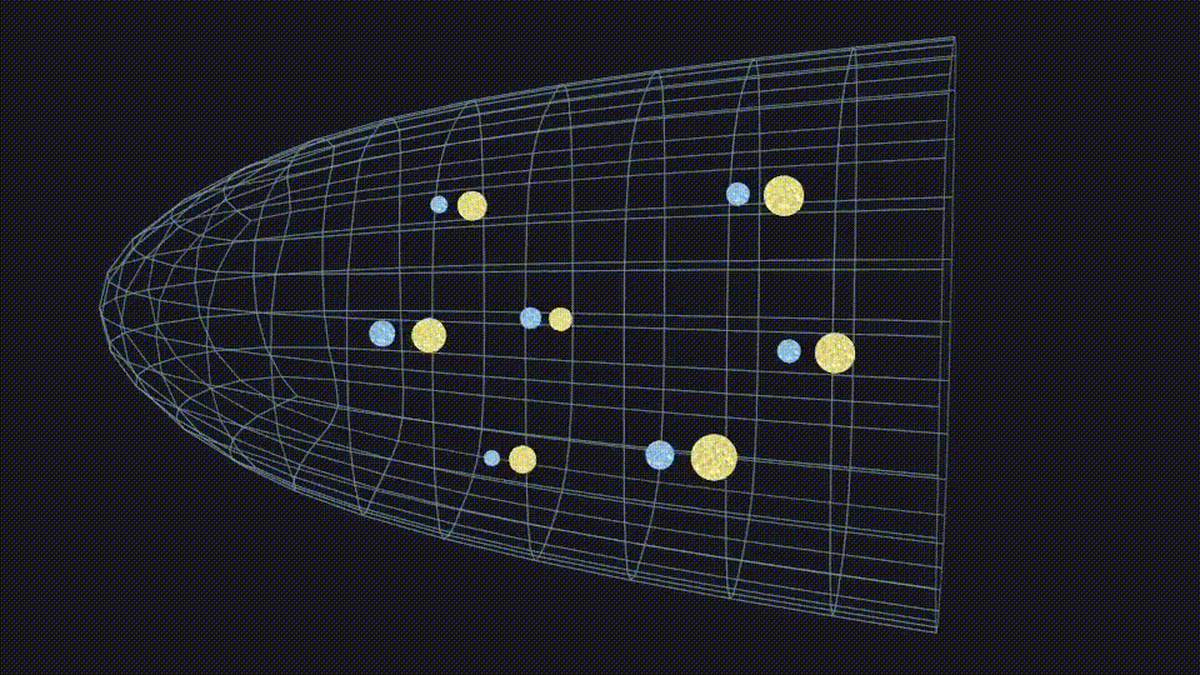
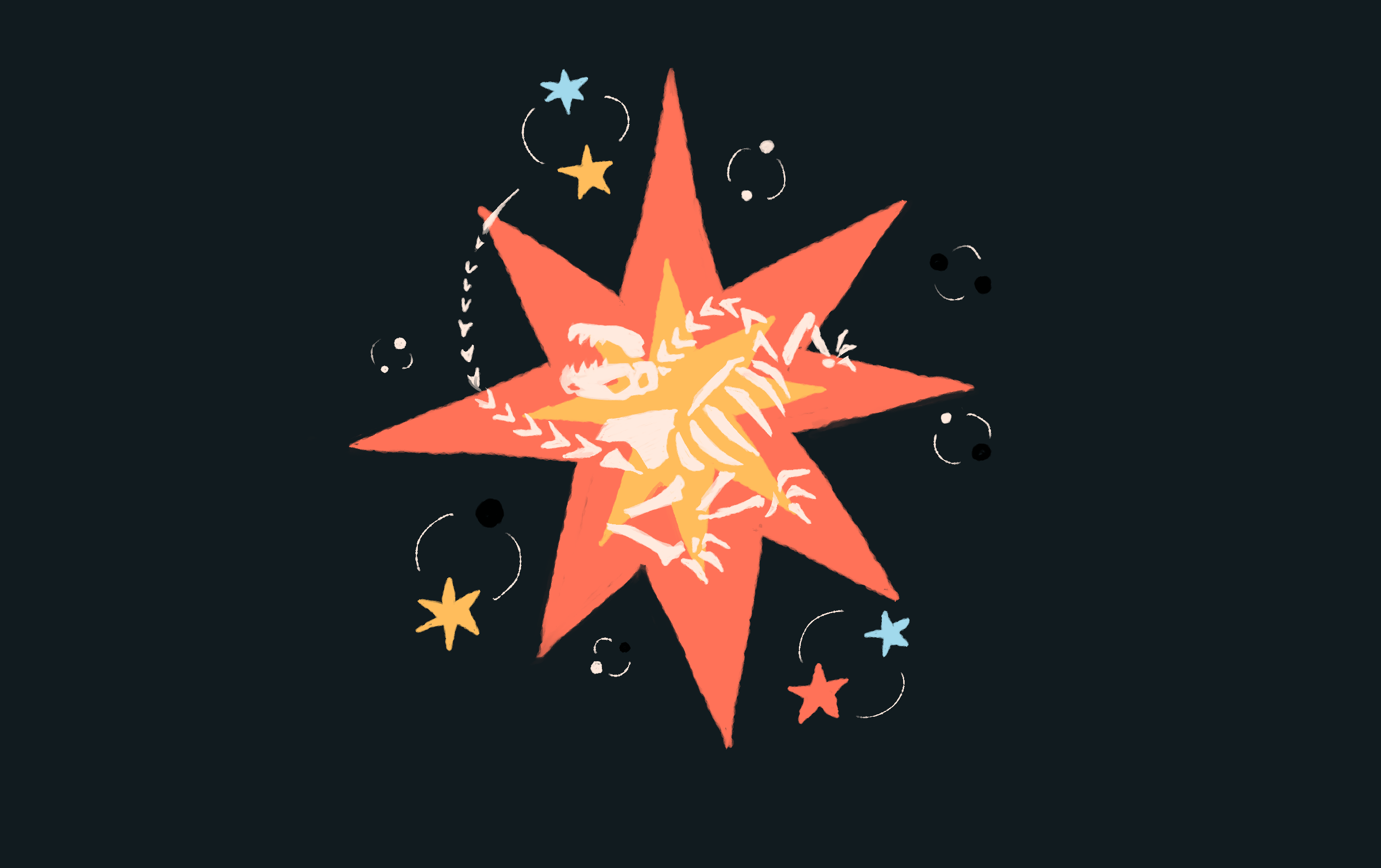
Welcome to Cosmic Fossils. Floor Broekgaarden introduces gravitational-wave paleontology: using black holes as cosmic fossils to reconstruct the lives, deaths, and cosmic role of massive stars — the dinosaurs of our Universe.
Paul Dalba
Morning Star Missions to Venus
8mo ago
13 min
S1E1: Beautiful Deceiver
Venus is the brightest object in our night sky after the Sun and Moon, a dazzling beacon that captivated humanity for millennia and inspired some of our greatest scientists to predict it was a lush, tropical paradise. They were spectacularly wrong. When the first spacecraft finally pierced those shining clouds, they found a world of crushing pressure, scorching heat, and relentless acid: a hell disguised as a jewel. And yet, the story of Venus doesn't end with that revelation. Because the very planet that fooled us for centuries may still be hiding one more secret — one that would change everything we think we know about life in our solar system.
Rakiura Lab
Gravitational Wave Paleontology Lab
23 min
S1E1: The Dinosaurs of the Universe
Rakiura Lab
Limits of Habitability
16 min
S1E2: When the Map Is Wrong
In 2013, a group of scientists sat down to redraw the habitable zone using better physics and better data, and when they finished, something unsettling had happened. Earth — our one confirmed living planet — was suddenly right at the edge. This episode is about what happens when a "settled" scientific concept gets unsettled. And about a second finding, hiding in the same recalculation, that quietly changed the question the field was really asking.
Rakiura Lab
Limits of Habitability
16 min
S1E1: The Zone
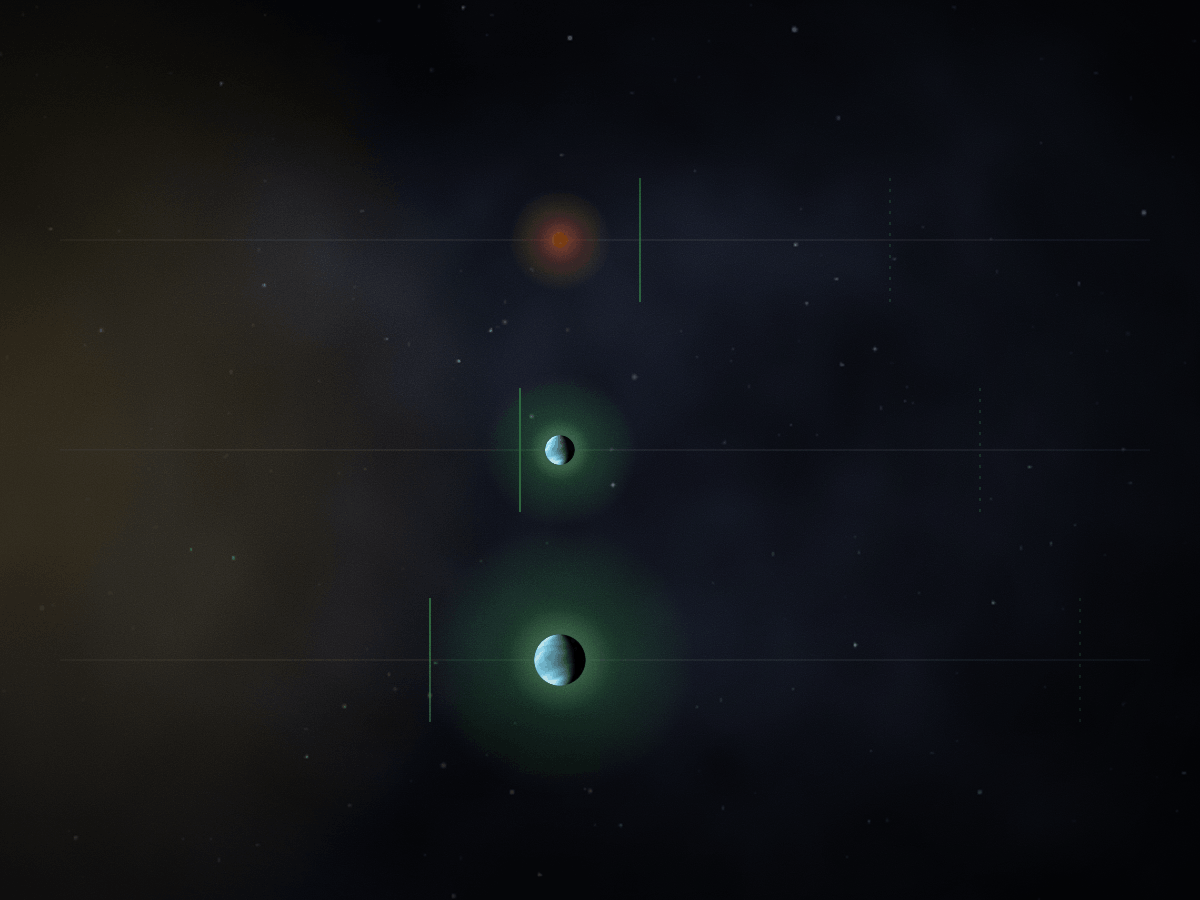
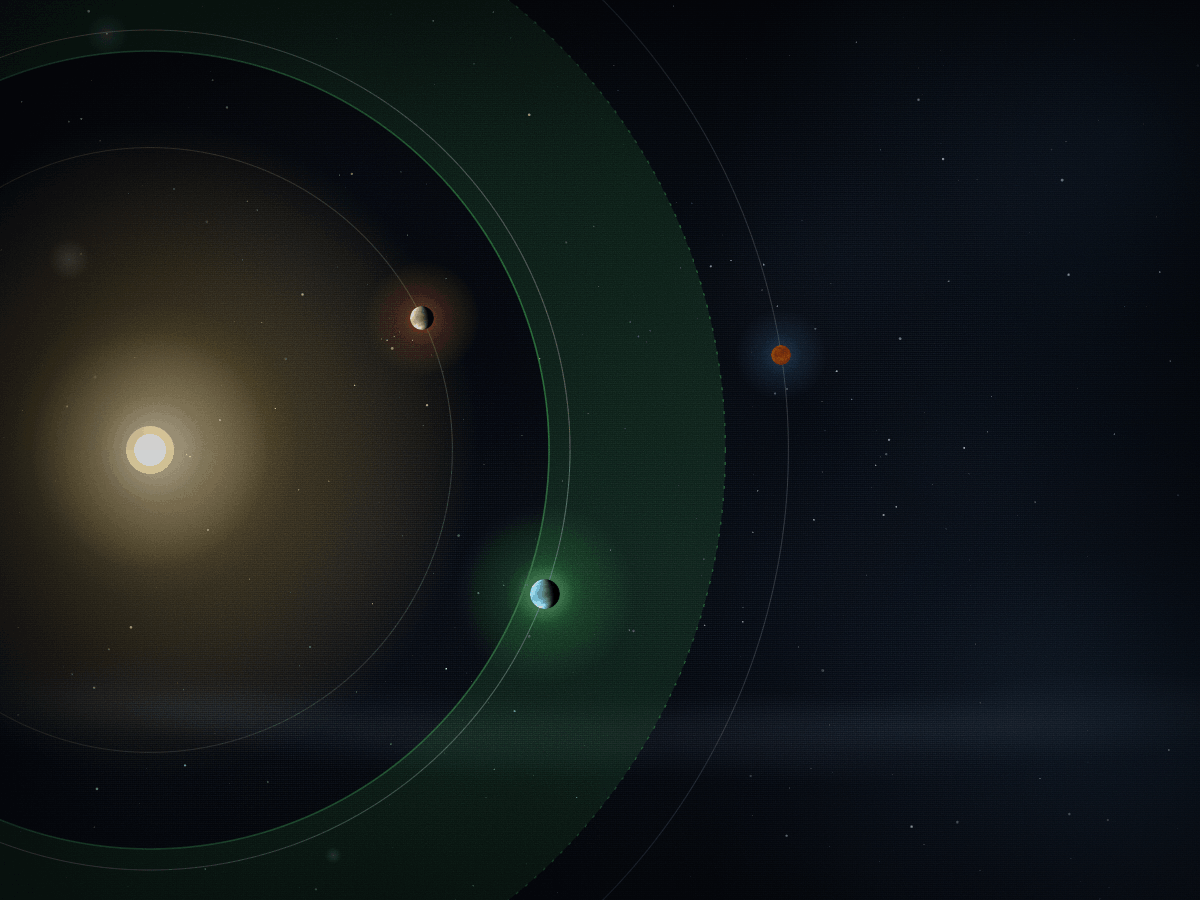
Three rocky planets orbit our Sun in the region where liquid water could exist, but only one of them is alive. For fifty years, astronomers have chased a single elegant idea about what makes a world habitable — a range of distances from a star where the temperature is just right. In this episode, we trace the "habitable zone" from a thought experiment to the calculation that still defines the field today, and find a warning hiding in plain sight. Even the scientists who built the concept knew it wasn't quite the answer everyone thinks it is.
Rakiura Lab
Project Starshade
18d ago
25 min
S1E2: The Physics of a Better Shadow
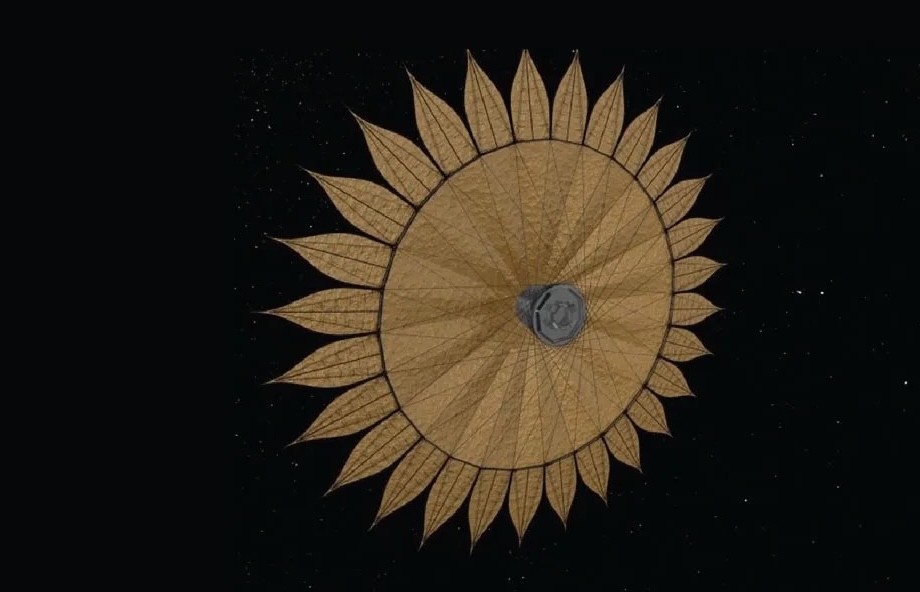
Take a perfectly round disk, hold it up to a beam of light, and look at the very center of its shadow. There's a bright spot sitting there, in the one place that should have been the darkest of all. It's a piece of physics more than two centuries old, and it's the reason you cannot hide a star behind a simple screen: the starlight bends around the edge and rebuilds itself right where you wanted to put a planet. So the fix isn't a bigger screen. It's a stranger one, shaped like a flower — and the reason it works leads to a strange realization, that much of the difficulty of photographing another Earth isn't a fixed price the universe charges, but a consequence of where you choose to stand when you block the light.
Rakiura Lab
Project Starshade
18d ago
24 min
S1E1: Ten Billion to One
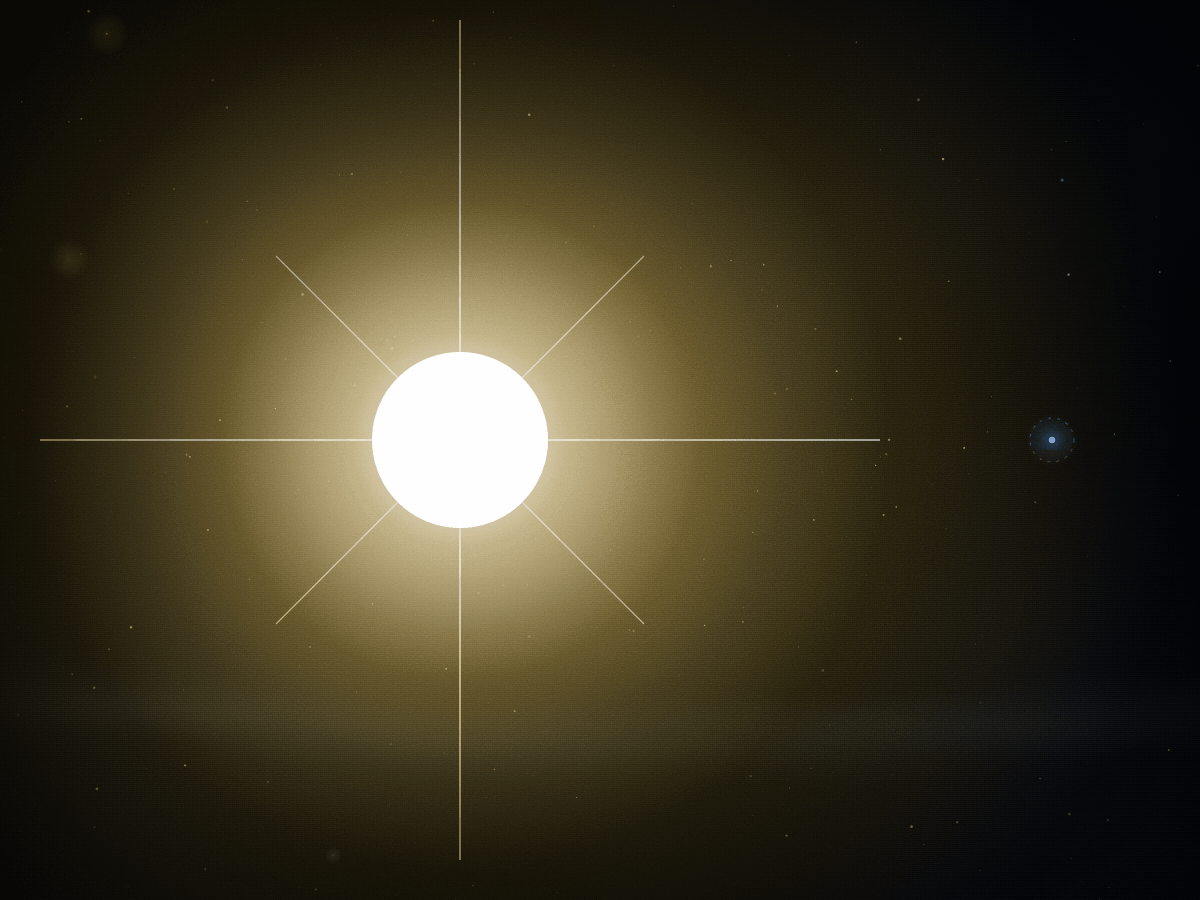
We've found more than six thousand planets around other stars, and almost none of them have we ever actually seen. We know them the way you'd know someone from a fingerprint rather than a face: their masses, their orbits, the length of their years, all inferred from the way a star wobbles or dims. The one picture we want most, a world like Earth around a star like the Sun, close enough to read its air for signs of life, doesn't exist — and not because our telescopes are too small. It comes down to a single ratio, ten billion to one, the glare of a star set against the faint planet beside it. This first episode is about that ratio, and about the fork it forces on everyone who tries to beat it: to block a star's overwhelming light, do you do it inside your telescope, or out in the dark, far in front of it?
Rakiura Lab
Gravitational Wave Paleontology Lab
1mo ago
15 min
Featured Talk: Gravitational-Wave Paleontology
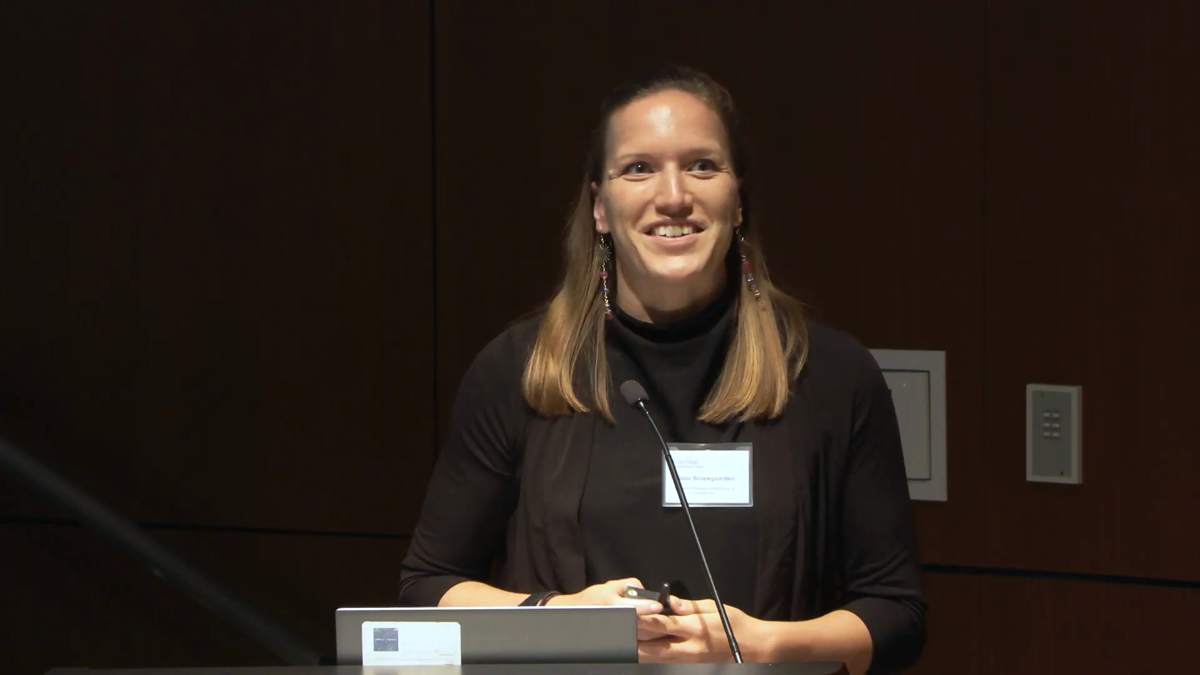
A 15-minute highlight from Floor Broekgaarden's talk on gravitational-wave paleontology — how we read the life histories of massive star systems encoded in LIGO-Virgo merger events.
Rakiura Lab
Morning Star Missions to Venus
1mo ago
8 min
The chemistry on Earth's sister planet doesn't add up