

Chapter 1
Hell Planet
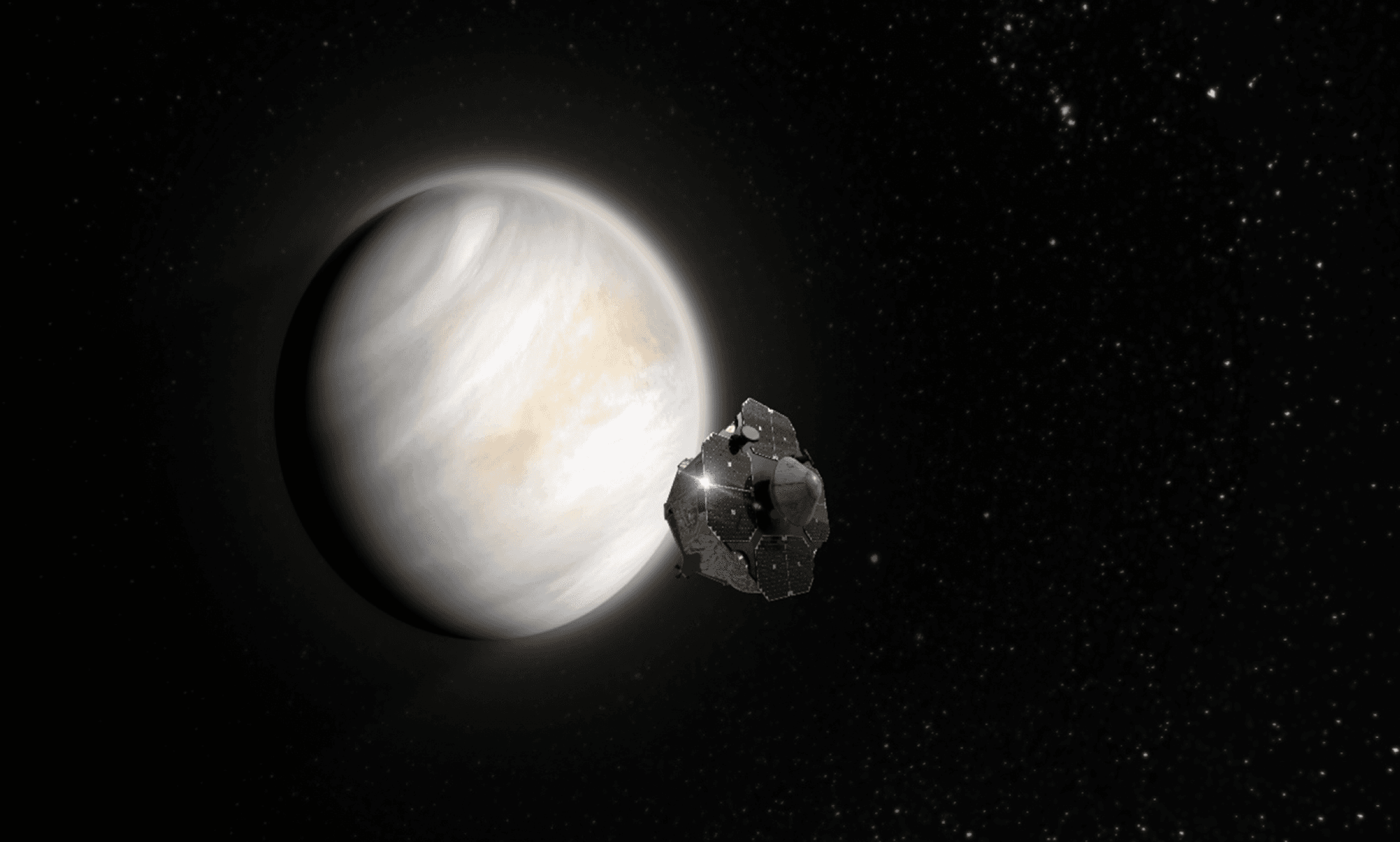
How Earth's twin became unrecognizable. Venus today is hellish — but it wasn't always. We open with the planet's deep history and the strange temperate layer that sits 50 km above its molten surface.
Series · Morning Star Missions to Venus
The full fifteen-episode arc tracing why Venus matters — from its hellish surface to the chemistry that refuses to be explained away, the lab work on life in acid, the missions we are flying to find out, and what a yes would mean for life everywhere else.
Chapter 1
How Earth's twin became unrecognizable. Venus today is hellish — but it wasn't always. We open with the planet's deep history and the strange temperate layer that sits 50 km above its molten surface.
Chapter 2
Anomalies that refuse to be explained away. Phosphine. Ammonia. A century-old UV mystery. Venus's atmosphere is full of molecules that ordinary chemistry can't account for.
Chapter 3
Could anything actually live there? The clouds are concentrated sulfuric acid. But maybe that's not the dealbreaker we assumed. Lab work, life-cycle theory, and metabolism in a solvent that isn't water.
Chapter 4
How we go find out. From a five-minute probe in 2026 to a sample-return mission decades out — what we're flying, why, and what it could prove.
Chapter 5
What it would mean to find life next door. Two geneses or one? How Venus reshapes our search of every other star system.