

Work on real physics and space research, alongside the people doing it.
Rakiura is a research-participation program where technically curious people work on open problems in physics, inside working research labs, alongside the scientists who own the questions.
Who we are
There are more people ready to do research than there are seats to do it in. Every lab we work with has open questions and not enough people to answer them.
Doctorates leave academia and never publish again. Engineers and analysts carry scientific questions for decades without a way to pursue them. In much of the world there is no lab within reach at all.
Rakiura closes that gap. Labs open real strands of their research to our community, and members work on them with the lab's data, tools, and supervision. The output is ordinary research output: papers, software, datasets, analysis, and the documentation that lets the next person continue.
Our mission
Make it possible to contribute to science and to be a scientist, regardless of background. We connect labs that have more questions than capacity with people who have the ability and the will to work on them.
Our vision
We are building Rakiura to be mission locked, with incentives that point the same direction as the scientists and the members working with them. We take no advertising, because advertising changes what a platform optimises for. Every decision we make, from the labs we bring on to the product we build, is meant to put more people to work on real science.
What we stand for
Access by capability
We will not replicate the university's habit of raising the bar to keep people out. What determines whether you belong here is whether you can do the work, not which institution is willing to have you.
Cost is never the barrier
Ability to contribute and ability to pay have nothing to do with each other. We work to keep a place open for people who can do the work, whatever their circumstances.
Progress you can point to
No leaderboards and no rankings. You advance by what you deliver and by what other researchers come to rely on, which is how a research career has always actually worked.
The actual work
You join live research with its uncertainty intact, including the dead ends and the parts nobody has figured out yet. This is not simplified outreach built for an audience.
Labs on Rakiura
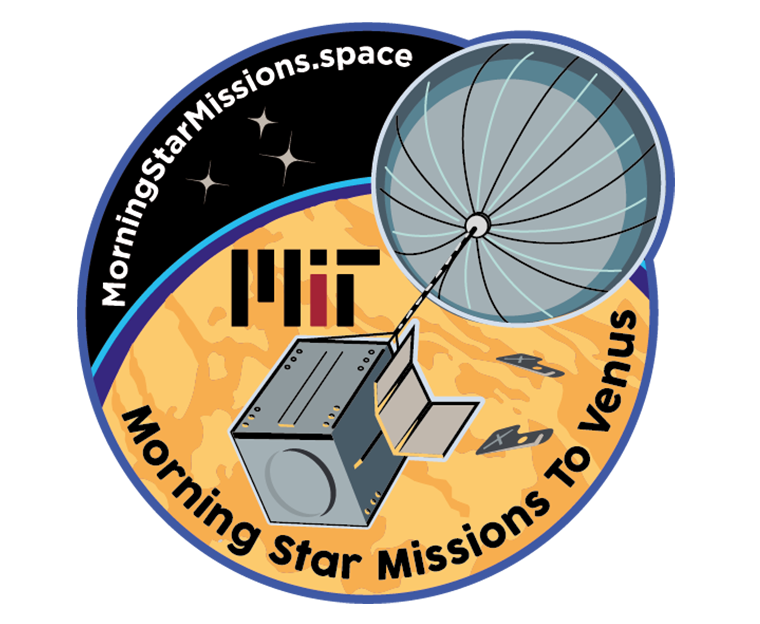
Morning Star Missions to Venus
University of Toronto
Morningstar Missions is searching the clouds of Venus for signs of life, led by Sara Seager in partnership with Rocket Lab.

Limits of Habitability
Stanford University
An exoplanet astrophysics group asking what makes a world habitable, and how small a planet can hold liquid water.

Project Starshade
University of Toronto
A NASA concept using a giant flower-shaped screen to block starlight and directly image Earth-like exoplanets and their atmospheres.

Strings & the Early Universe
Baylor University
The team
Researchers

Storytelling and communications


Where this path leads
The science you do is yours. What comes out is ordinary research output: papers, software, datasets, analysis. It is verified, credited, and builds a public research profile you keep, with a path to co-authorship. The researchers you worked with will vouch for it.
Three ways to get involved
Explore the research
Every episode, essay, and open question from the labs publishing on Rakiura, free and open to anyone.
ExploreApply to a community research project
Work on a lab's open problems alongside the researchers who own them, wherever you are in your career.
See research projectsBring your lab
If you run a lab with more questions than people, we would like to talk.
hello@rakiura.co